The Comprehensive Guide to Audio Headphones: Types, Features, and Recommendations
In an age where audio usage has ended up being an ubiquitous part of every day life, the importance of top quality audio headphones can not be overstated. Whether for music, video gaming, or professional use, the best headphones can significantly boost the listening experience.
Comprehending Headphone Types
When entering the world of headphones, it's necessary to comprehend the different types offered, each dealing with numerous user requirements and choices. Below is a comparison of some of the most common headphone types:
| Headphone Type | Description | Pros | Cons |
|---|---|---|---|
| Over-Ear | Big ear cups that enclose the ears. | Outstanding sound quality; comfort | Large; not portable |
| On-Ear | Smaller sized ear cups that rest on the ears. | More compact than over-ear | Less sound isolation |
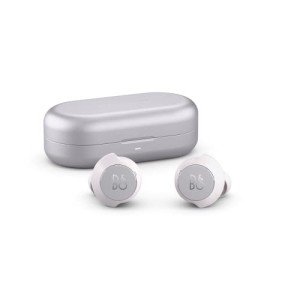
| In-Ear (Earbuds) | Small headphones that fit straight in the ear canal. | Extremely portable; good noise isolation | Can be unpleasant over extended periods |
| Wireless | Headphones that connect via Bluetooth. | Wire-free benefit | Battery life is a concern |
| Noise-Cancelling | Active sound decrease innovation | Great for obstructing background sound | Typically more pricey |
Picking the Right Type
Picking the right kind of headphone primarily depends on personal preferences and intended usage. For example, users who prioritize sound quality and convenience for long listening sessions may choose over-ear choices. On the other hand, those looking for mobility and convenience for commuting may lean towards in-ear designs or cordless selections.
Vital Features of Audio Headphones
While the kind of headphone is crucial, numerous other functions and specifications can impact the general listening experience.
1. Sound Quality
Sound quality is arguably the most important function when thinking about audio headphones. The clearness, balance, and richness of audio can vary considerably based on build quality, materials, and driver size.
2. Impedance
Impedance measures the resistance that headphones provide to the audio source. Lower impedance (listed below 32 ohms) appropriates for portable gadgets like smartphones, while higher impedance (above 32 ohms) is usually more suitable for studio usage with amplifiers.
3. Frequency Response
The frequency response describes the variety of sound frequencies that headphones can replicate. A wider range (e.g., 20Hz-20kHz) is normally preferable for music flexibility.
4. Comfort
Convenience is crucial for prolonged usage. Look for features such as cushioned ear cups and adjustable headbands to ensure a good fit.
5. Battery Life
For wireless headphones, the battery life can substantially affect functionality. Many modern models provide 20 hours or more of playtime on a single charge.
6. Develop Quality
The products utilized in building headphones can impact toughness and comfort. Search for designs with quality plastics or metals, and inspect for functions like foldability for easier storage.
Recommendations for Different Use Cases
Here are suggestions customized for differing needs:
For Music Lovers
Sony WH-1000XM4
- Type: Over-ear
- Features: Noise-cancellation, touch controls, 30-hour battery life.
For Gamers
HyperX Cloud II
- Type: Over-ear
- Functions: 53mm motorists, removable microphone, virtual 7.1 surround sound.
For Travel
Bose QuietComfort 35 II
- Type: Over-ear
- Features: Exceptional sound cancellation, wireless, 20-hour battery life.
For Everyday Use
Apple AirPods Pro
- Type: In-ear (cordless)
- Features: Active noise cancellation, adaptive EQ, openness mode.
For Athletic Activities
Jabra Elite Active 75t
- Type: In-ear (cordless)
- Features: Waterproof, safe and secure fit, 24-hour battery life with charging case.
Often Asked Questions (FAQs)
1. What is the difference between wired and cordless headphones?
Wired headphones connect directly to devices utilizing a cable television, offering uninterrupted audio without the need for batteries, while wireless headphones link through Bluetooth, providing more freedom of movement but requiring battery power.
2. How do I clean my headphones?
To clean your headphones, gently wipe the ear cups with a soft, moist fabric to remove dirt and gunk. For in-ear models, you can detach silicone pointers and clean them individually.
3. Can I utilize my headphones while exercising?
Yes! However, it's best to try to find moisture-resistant models developed for exercises to endure sweat and movement.
4. What should I consider when buying noise-cancelling headphones?
When purchasing noise-cancelling headphones, think about sound quality, convenience, battery life, and whether you need extra functions like ambient sound modes.
5. Are expensive headphones worth the financial investment?
While not all costly headphones ensure remarkable quality, greater price points often show better products, sound quality, and sturdiness, making them worth thinking about for severe audiophiles or specialists.
Audio headphones have come a long method, using a variety of choices to cater to diverse needs and choices. Comprehending the various types, necessary functions, and particular suggestions can help users make informed choices.
When investing in headphones, consider how and where you will be using them. With www.headphonesshop.uk , one can improve their audio listening experience substantially, ensuring that every beat, dialogue, or sound result is crisp and clear. Whether for individual satisfaction, expert jobs, or video gaming, the right headphones can make all the difference.